An Unhurried Afternoon at a Space and Science Museum
Space and science museums can be overwhelming in the best possible way. A single hall may contain rockets, spacecraft models, engineering diagrams, old control panels, personal objects from astronauts, and enough text panels to fill a small book. The temptation is to see everything. That is also the quickest way to stop noticing anything.
An unhurried visit works differently. Instead of treating the museum like a checklist, choose a few threads and let the rest remain for another day.
Begin with the biggest object in the room
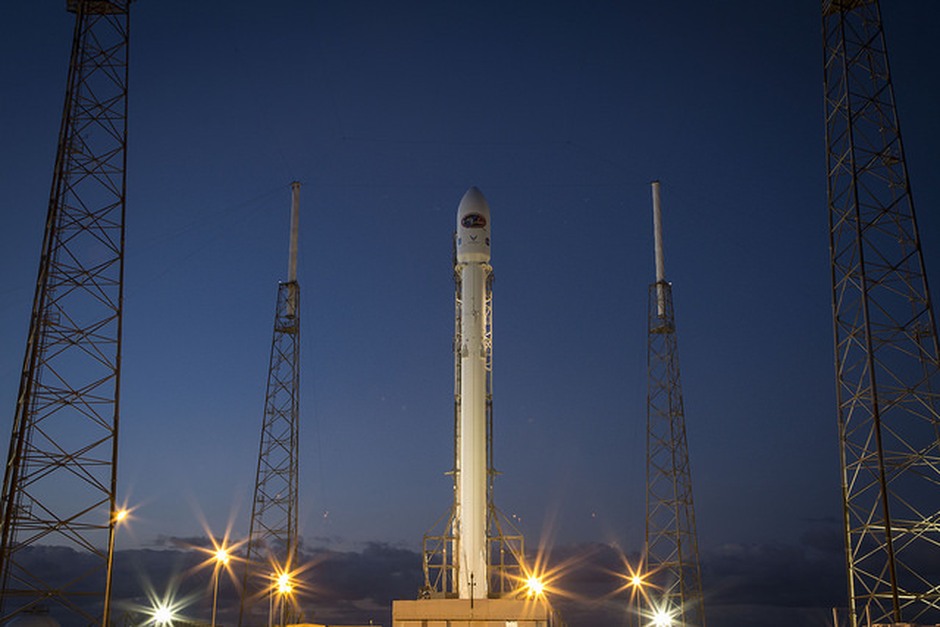
Large engineering objects reward distance. Before walking up to a rocket engine or capsule, stand back and take in its overall shape. Notice how much space it occupies, where the seams are, how the structure tapers, and which parts look surprisingly handmade. The scale often makes more sense before the labels do.
Then move closer. Rivets, heat shielding, exposed pipes, switches, and worn surfaces turn an abstract piece of technology into something built by people. That shift—from monument to object—is one of the pleasures of a science museum.
Follow one question for a while
You might spend twenty minutes wondering how engineers kept a spacecraft cool, how astronauts ate in orbit, why launch vehicles have multiple stages, or how mission control communicated with crews. Once you choose a question, the surrounding exhibits become more connected.
This makes the museum easier to remember because you are building a small story rather than collecting isolated facts. When the question feels answered, pick another one or simply wander.
Leave room for the human details
The machines are spectacular, but modest objects often make history feel closer. A checklist covered in annotations, a worn glove, a meal package, a training photograph, or a simple tool can reveal the practical side of ambitious missions. They show how extraordinary projects depend on ordinary habits: labeling, testing, repeating, recording, and checking again.
These items are also useful places to pause when the galleries are busy. They invite close looking without demanding a long explanation.
You do not have to read every panel
Museum labels are designed to offer context, not to create an exam. Read the ones that answer a question you already have. Skim the others. If a topic genuinely interests you, take a photo of the label or note the exhibit name so you can look it up later.
A small notebook can be enjoyable here. Write down a few surprising numbers, unfamiliar names, or questions that remain unanswered. The notes become a compact souvenir of the visit and often lead to better reading afterward.
Finish somewhere quiet
If the museum has a viewing area, courtyard, café, or less crowded upper gallery, spend the last part of the visit there. Looking back over a few photographs or notes helps the experience settle before you move on to the rest of the day.
The most memorable museum visits are rarely the ones where every room was completed. They are the ones where a handful of objects became clear enough to stay with you: the size of a launch vehicle, the cramped interior of a capsule, the neatness of a control panel, or the thought that thousands of careful decisions sit behind one dramatic moment of liftoff.